What makes nude photography feel artistic rather than exposed?
Nude photography feels artistic when the image has intention, restraint and respect. The focus is not simply on the unclothed body, but on line, posture, atmosphere, shadow, texture and the emotion carried by the person in front of the camera. A skilled fotograf understands that the body can be shown directly, partly concealed, abstracted, or suggested, and that each choice changes the mood of the photograph.
This is where modern nude and boudoir work separates itself from casual or purely provocative imagery. Fine art nudes often use minimal styling, sculptural posing and controlled light to create a timeless result. Boudoir may feel softer, more intimate and more personal, often using lingerie, fabric, bedding, movement or carefully chosen details to express confidence and sensuality without losing dignity.
The most successful images usually leave space for the viewer to feel something. A shoulder caught in window light, a curved back in shadow, hands resting naturally, or a face turned away can be more powerful than a fully revealed pose. The body becomes part of a visual story, not an object placed on display.
A modern approach with deep artistic roots
The human form has been central to visual art for centuries. From classical sculpture and Renaissance painting to modern portraiture and fashion photography, artists have returned to the body because it carries strength, vulnerability, age, movement and identity all at once. Photography continues that tradition, but with a more immediate, personal relationship between the subject and the artist.
Modern nude photography is not limited to one look. Some images are clean and minimalist, using plain walls, natural light and quiet composition. Others are cinematic, with dramatic contrast, textured interiors or styling that borrows from fashion editorials. Some sessions lean towards boudoir, while others sit closer to gallery-style fine art.
What matters is that the style is agreed before the shoot. If a client wants tasteful, elegant akty rather than overt glamour, that expectation should be understood early. If they prefer expressive, editorial portraits, the photographer can plan poses, lighting and wardrobe around that mood. The more precise the conversation, the more relaxed and successful the session becomes.
Boudoir, glamour and fine art nude are not the same
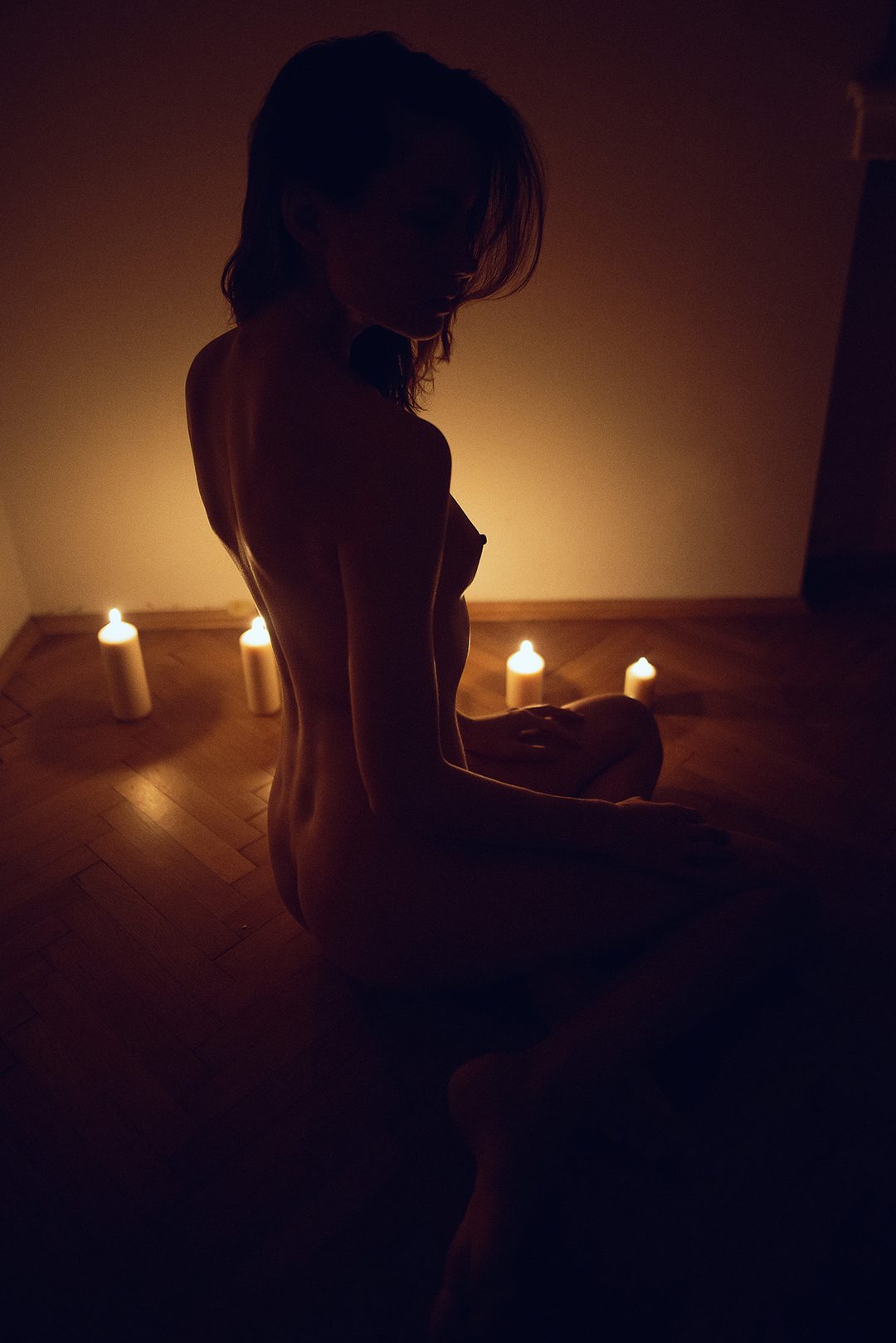
People often use these terms as if they mean the same thing, but they create different experiences and different final images. Understanding the difference helps clients choose the right creative direction and avoid disappointment.
- Boudoir photography is intimate, personal and often romantic. It may include lingerie, robes, sheets, jewellery or bare skin, but the main goal is usually confidence, softness and self-expression.
- Glamour photography tends to be more polished, styled and visually bold. It often uses strong posing, make-up, hair styling and a more dramatic presentation.
- Fine art nude photography focuses on the body as form, mood and composition. It may be more abstract, less commercially styled, and more concerned with light, shape and artistic restraint.
- Portrait-led nude photography keeps the person’s identity and expression central. The body is part of the portrait, rather than the only subject.
These categories can overlap. A session can be both boudoir and fine art, or both elegant and sensual. The important thing is not the label, but whether the photographer and client share the same idea of beauty, boundaries and purpose.
How does a professional boudoir or nude photoshoot protect comfort and dignity?
A professional session protects comfort through communication, consent and clear structure. Before the camera appears, the photographer should discuss the desired style, levels of nudity, poses, privacy preferences and how the images may or may not be used. During the shoot, guidance should be calm, specific and respectful, with the client free to pause, adjust or say no at any point.
Good photographers do not expect clients to arrive knowing how to pose. They direct gently: where to place hands, how to turn the shoulders, when to breathe, how to create length through posture, and how to use fabric or shadow if a pose feels too revealing. This guidance is especially important in nude and boudoir work, because small adjustments can transform an image from awkward to elegant.
Privacy is equally important. A client should understand where images will be stored, who will see them, how selection galleries are shared, and whether any photograph could be published online or in a portfolio. Many clients want their images only for themselves or a partner, and that wish should be treated as normal, not inconvenient.
A respectful fotograf na akty also avoids rushing. The first few minutes may feel unfamiliar, so the session should allow time for trust to build. Often the strongest photographs are made after the client realises they are not being judged, but guided.
Preparing for a session without overthinking it
Preparation helps, but it should not become pressure. Nude and boudoir photography is not about achieving a perfect body before the shoot. It is about deciding how you want to be seen and choosing practical details that help you feel settled.
Use this simple checklist before booking or attending a session:
- Define the mood. Collect a few reference images that show atmosphere, not poses to copy exactly. Think of words such as soft, sculptural, romantic, bold, natural or mysterious.
- Set your boundaries. Decide what you are comfortable showing, what you prefer to conceal, and whether implied nudity feels better than full nudity.
- Ask about privacy. Confirm how images are stored, delivered and used. If you do not want publication, say so clearly before the shoot.
- Plan wardrobe and details. Even nude sessions may use simple fabrics, shirts, bodysuits, jewellery or sheets to create variety and comfort.
- Avoid last-minute changes. Choose clothing that fits well and does not leave heavy marks on the skin immediately before the session.
- Communicate nerves. A good photographer expects nerves and will guide you through them rather than dismissing them.
For clients searching locally, terms such as fotograf bratislava akty, zenske akty fotograf or fotograf akty may help identify specialists, but search terms alone are not enough. Look closely at the photographer’s portfolio, tone of communication and approach to consent. The images should feel aligned with what you want, not simply technically competent.
The photographer’s role is creative and emotional
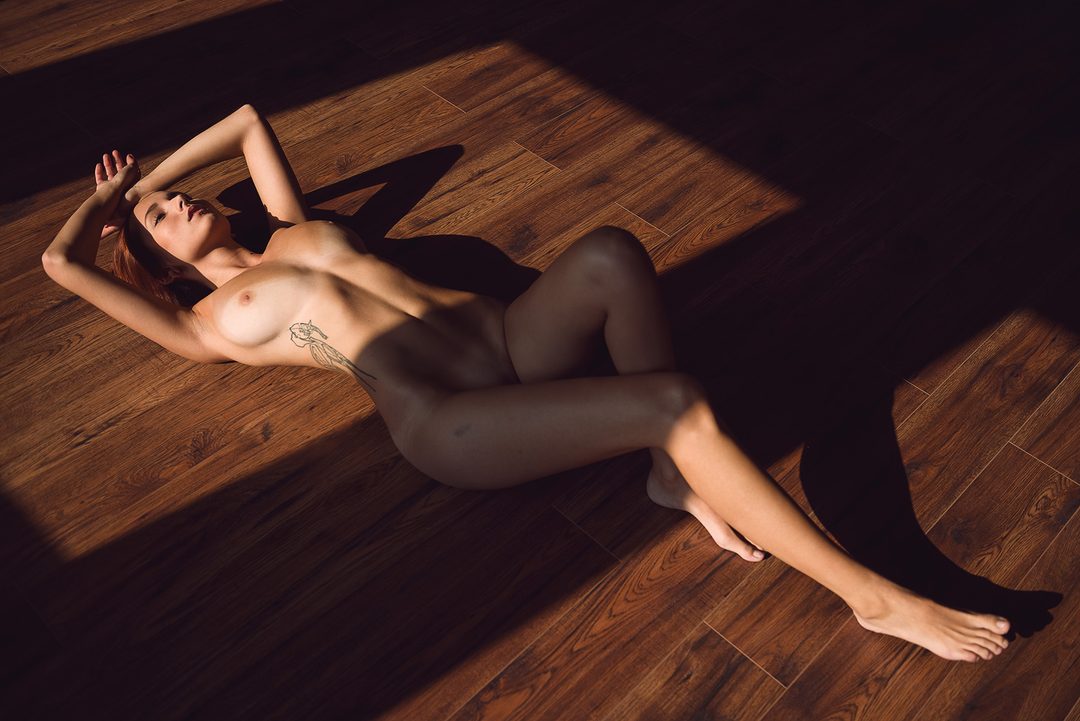
The technical side of fotografovanie matters: lighting, exposure, lens choice, composition, retouching and print quality all shape the final result. Yet in nude photography, the emotional skill of the photographer matters just as much. A person who feels tense, unsafe or misunderstood rarely moves naturally, and the camera records that discomfort.
A strong photographer creates a calm rhythm. They may begin with clothed or partly covered portraits, then move gradually towards more intimate images if the client feels ready. They explain what they are doing, show direction without touching unless consent is explicitly given, and keep the focus on collaboration.
Retouching should also be handled with care. Professional editing can soften distractions, refine tone and create a polished finish, but it should not erase the person. Many clients choose this kind of session to feel more connected to their body, not to be turned into someone unrecognisable. Natural texture, real shape and individuality can be part of the beauty.
Choosing the right photographer for intimate work
Selecting a photographer for nude or boudoir images is a personal decision. Portfolio style is important, but so are professionalism, communication and the ability to explain the process clearly. If something feels vague or pressured during the enquiry stage, it is worth slowing down.
When comparing options, consider these decision points:
- Portfolio consistency: Do the images show a clear artistic eye, or only a few strong examples among many uneven ones?
- Respectful language: Does the photographer describe the work with dignity, or does the wording feel objectifying?
- Process clarity: Are consultation, session length, image selection, editing and delivery explained in a straightforward way?
- Privacy options: Can you keep images fully private, and is this discussed professionally?
- Pose guidance: Does the photographer mention direction and comfort, especially for first-time clients?
- Style fit: Are you drawn to the mood of the work, not just the fact that it is technically sharp?
Pricing can vary widely depending on session length, studio access, preparation support, make-up or styling, number of edited images, print products, albums, digital galleries and usage rights. Instead of looking only for the lowest price, ask what is included and what happens after the shoot. The cheapest option may not offer the level of privacy, guidance or finishing that intimate photography deserves.
What should you expect when booking a nude or boudoir session?
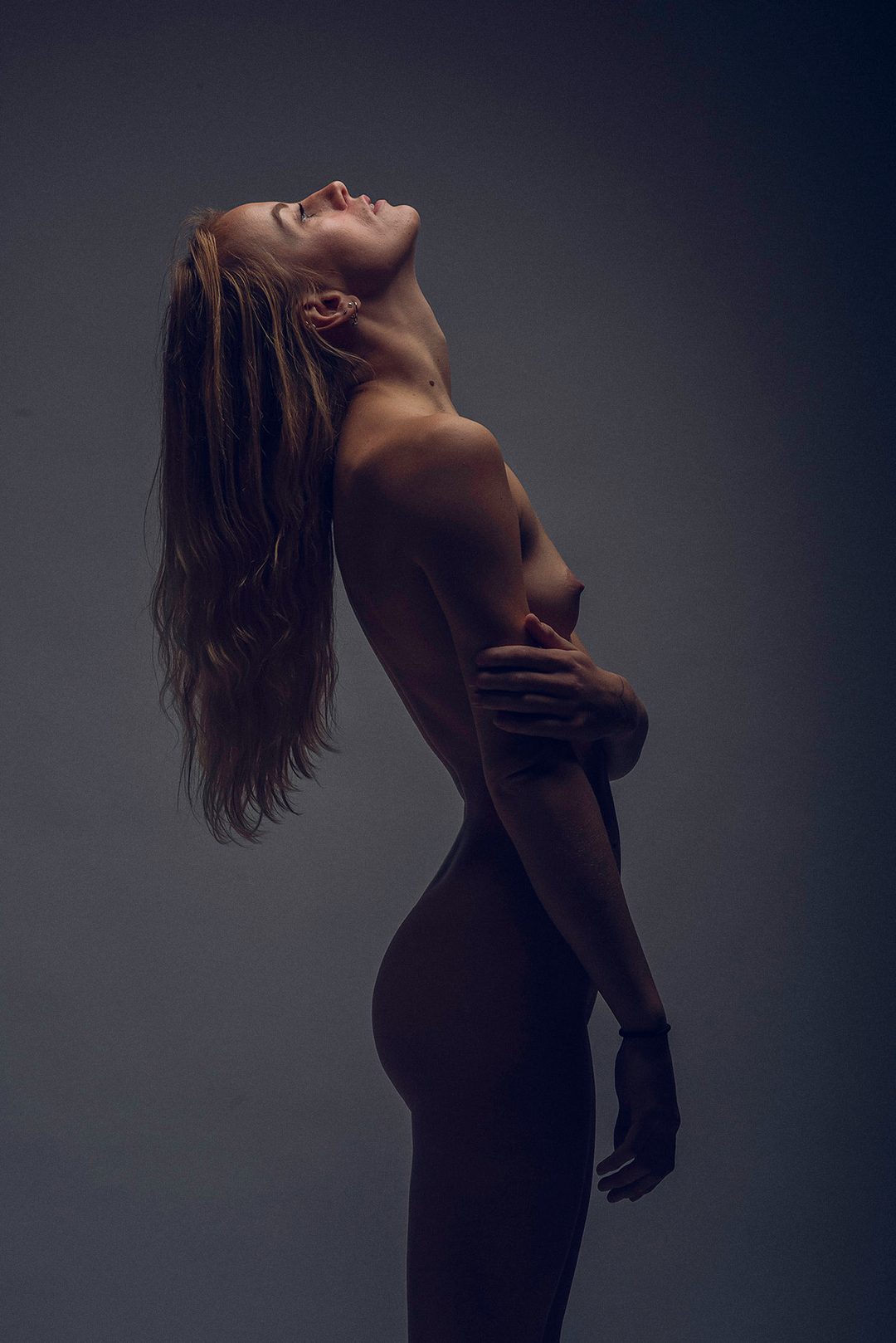
You should expect a clear, professional process: an initial conversation, agreement on style and boundaries, preparation guidance, a directed photoshoot, image selection and careful delivery of the final photographs. The best experience feels organised but not clinical, personal but not intrusive. You should know what will happen before, during and after the session.
A typical booking journey may include a consultation by message, phone or in person. This is the time to discuss whether you want boudoir, fine art nude, implied nudity or a mixture of styles. You can also ask about studio atmosphere, who will be present, whether you may bring someone with you, and how final images are chosen.
On the day, the session may begin with simple poses to help you settle. As confidence grows, the photographer can introduce more sculptural positions, closer framing, stronger light or more revealing compositions if they match your agreed boundaries. After the shoot, selected images are usually edited and delivered through the agreed format, such as digital files, prints, albums or a private gallery.
Modern nude photography as self-recognition
For many people, a nude or boudoir session is not only about the photographs. It can be a way to mark a life stage, reclaim confidence after change, celebrate a relationship, or simply see oneself with more kindness. The experience can feel vulnerable, but vulnerability is not a weakness when it is held professionally.
Modern intimate photography works best when it avoids clichés. It does not require a single body type, age, mood or personality. Some clients want softness and romance; others want strength, mystery or quiet minimalism. A thoughtful photographer adapts the visual language to the person, rather than forcing everyone into the same template.
This is why trust is the foundation of the art. Light can flatter, posing can guide and editing can polish, but the emotional truth of the image comes from collaboration. When the client feels respected, the resulting photographs are more likely to feel honest, elegant and enduring.
A thoughtful final takeaway
Nude and boudoir photography in a modern style is a balance of artistry, technique and care. It can be sensual without being careless, revealing without being exploitative, and personal without losing artistic discipline. If you are considering a session, choose a photographer whose work, communication and privacy standards make you feel genuinely comfortable.
The right fotograf will help you shape the experience before the shoot begins, guide you through the process with respect, and create images that reflect your confidence rather than someone else’s idea of beauty. That is where intimate photography becomes more than a picture: it becomes a considered portrait of presence, trust and self-recognition.